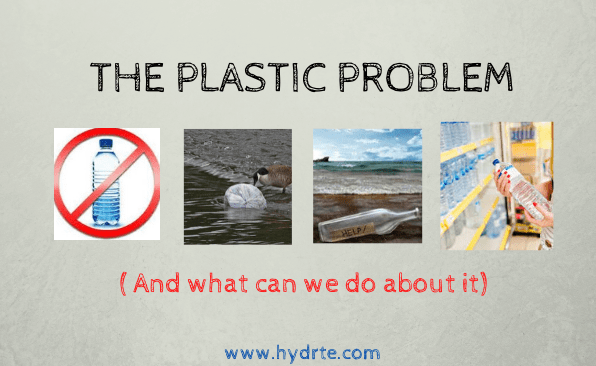
The Plastic Problem (And What You Can Do About It)

By now you’ve probably heard of the plastic problem. Companies and politicians are finally taking cues from environmental activists to reduce our plastic usage. But have you ever sat down to think about how much single-use plastic you really consume?

Consider this: As a whole, humans have consumed 9.2 billion tons of plastic. But the thing is, there’s no infrastructure to deal with it – 6.3 billion of these tons will never meet a recycling bin, according to a study published by Science Advances. That’s equivalent to the weight of one billion elephants.

Plastics are also making headlines for its devastating impact on our oceans and marine life. It constitutes around 90% of all trash floating on the ocean’s surface, according to Earth’s Oceans Foundation. Not only does that kill millions of endangered sea life every year, but also leads fish to ingest microplastics — teeny tiny bits of plastic broken down by ultraviolet light and waves.  

That’s not only problematic for sea life—it’ll ultimately get to us when we eat sea life. Microplastics have been found in sea salt and even mineral water, according to a study published in Water Research. That’s unfortunately no surprise, if you take into account just how much plastic we’re producing.

Plastic production is booming

Humans have produced more plastic over the last 10 years than during the whole of the last century. Think of it this way: one million plastic bottles are bought around the world every minute, according to The Guardian, and the numbers are rising.

The production of plastic on its own isn’t necessarily bad. Plastics have helped advance space exploration, aviation, and medicine. The problem with plastic is we produce it for things we don’t need.

According to nonprofit Plastic Oceans, roughly half the world’s plastic produced is used just one time – like that plastic straw in your juice, or the cutlery you get from takeout.

What makes plastic more problematic is it’s nonbiodegradable and can stick around for up to 1,000 years.

We’ve been told time and time again that recycling is the solution to the plastic problem. However, the issue is too big for just recycling to fix, and may distract us from the real problem: our overproduction of plastics.

Stating these stats isn’t to drag you down, and the plastic fight isn’t a lost cause. It’s our wake up call to move us to action, for the sake of our planet and generations to come. Here are some practical ways you can make everyday changes to help reduce plastic pollution.
fish

1. Stop using plastics

Sounds obvious (and hard), right? Yes— habits are hard to break and, realistically, the plastic problem isn’t something we think about daily.

To really test yourself, take note of how many times you habitually use single-use plastic in your day-to-day. For bonus points, write it down!

Then, pinpoint the instances that are truly unnecessary – whether it’s drinking bottled water every time you go to the gym, or using new plastic bags each time you go to the grocery store.  

Finally, come up with a plan to eliminate (or at least drastically cut) your unnecessary plastic usage. While making one single environmental choice won’t help much, creating positive habits to reduce your plastic usage could go a long way.

So if you replace your bottled water with a reusable one, you could save as many as 170 bottles from being produced each year.

Fortunately, there are dozens of quick hacks that make it easier than ever to cut down on your plastic usage.

For example, pick up a travel mug and keep it in your bag for your morning brew. Companies like Starbucks, Seattle’s Best, Peet’s, and plenty of local coffee shops support this initiative by offering small discounts when you bring in your reusable cup.
Also, buy a metal straw, and take it with you to your local coffee shop. An increasing number of coffee shops are supporting the single-use plastic straw ban—Starbucks has even made a commitment to eliminate all plastic straw use by 2020.

Groceries and supermarkets have also embraced the fight on plastic by charging for plastic bags. Stick a fabric produce bag in your car and say ‘no thanks’ to the plastic bag.

2. Stop buying bottled water

Remember how one million plastic bottles are purchased around the world every minute? Well, according to Brita, Americans throw away 35 billion plastic water bottles every year. So isn’t it time we said goodbye to bottled water?

Tap water is completely safe to drink in the majority of the western world, and all you need is a reusable cup to keep yourself topped up.

If you have concerns about your tap water, think about introducing a filter tap or Brita water filter. Companies like SodaStream are making waves by eliminating the need for plastic bottles and are raising awareness of the negative consequences of single-use plastic.

But realistically, breaking a water-bottle-buying habit is tough. While we may say we’d like to reduce (or cease) our bottled water usage, it can be difficult to muster up the motivation to say ‘no’ to the convenient option.

We also suggest motivating yourself (and others!) to stop using bottled water through the power of social influences. In an interview with Hidden Brain, Behavioral Economist and Nobel Laureate Daniel Kahneman said that the best way to nudge others (and yourself) towards making environmentally conscious decisions is through social proof.

In other words, if you know that ‘everyone’ (aka, the people you know) no longer purchase water bottles, you’ll be much more likely to stop than if you simply hear a stat about the harms of plastic water bottles.

So gather your friends, and create a challenge. Whether it’s joining up to stop purchasing plastic water bottles for a month altogether, or sending a selfie each time you use a reusable water bottle, coerce one another to be mindful of your plastic consumption

This can not only help you reduce your consumption of plastic water bottles, but may empower others to do so as well.

3. Food & Packaging

To reduce plastic usage, spend some more time cooking at home! Not only will this save you a ton of money every month, but it will also help eliminate all those wasteful containers, plastic cutlery, and (plastic) doggy bags.

If you don’t want to give up on your takeouts, tell the restaurant you don’t want any cutlery delivered. And, if you’re really committed to the cause, pick up the food with reusable containers!

You can apply this thinking to your grocery shopping, too. Buying in bulk will save plastic packaging, and it won’t hurt your bank account either. Today, there are more sustainable-friendly stores than ever around the country that allow you to bring your own containers from home when buying bulk goods. For example, Lauren Singer launched a Package Free Shop in Brooklyn in 2017, after living a zero waste lifestyle. The shop stocks everything you could need to lead an eco-friendly existence including a zero-waste starter kit.

Buying in bulk has some attractive financial perks, too. For example, buying toilet paper in bulk is up to 50% cheaper than buying a few rolls at a time.

Even tech companies are taking notice of plastic waste— Apple has recently made changes to the iPhone packaging, using 84% less plastic, according to Business Insider.


4. Support the cause

There are a couple of different ways to rally for the cause. First up: pressuring large corporations to reduce their plastic usage.

We know how easy it is to feel like you’re powerless when it comes to influencing huge corporations using mass plastics. But if enough people get together and pressure companies to reduce their usage, they might just take notice.

Use social media to call out brands for using too much packaging on their product. Public figures and celebrities such as Cara Delevingne took the plastic problem to her Instagram, pledging to her millions of followers to disavow plastic bottles and straws as part of her New Year’s resolution.

You can also take your business to a more sustainable competitor—and don’t be afraid to let both companies know on social media!

Forward-thinking companies like Loop have just announced a new zero-waste platform. The pilot program promises that consumers will be able to purchase products made from reusable containers that can be returned and be reused again. Loop is working with big brands like Nestle and PepsiCo, signaling that big corporations are slowly committing to making a change.

Although there’s no magic wand to dissolve the plastic problem, there is a growing movement of concerned individuals and communities who are working together to create change. We can’t reverse the damage, but we can work together to fight for solutions to improve the planet for generations to come.

ABOUT US-

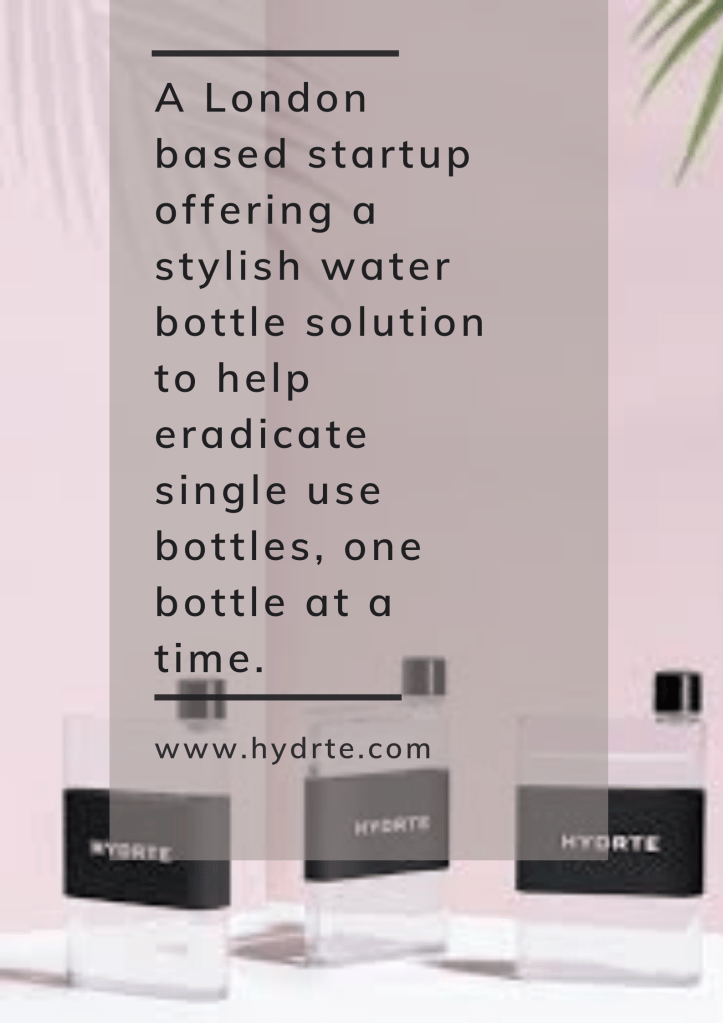
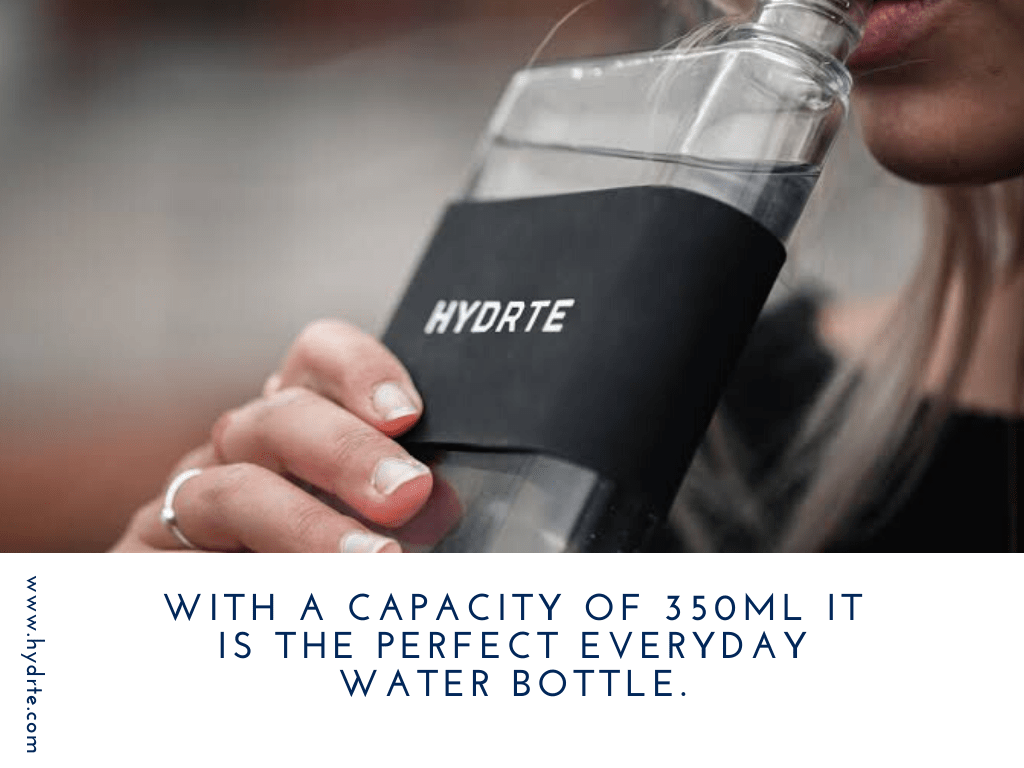
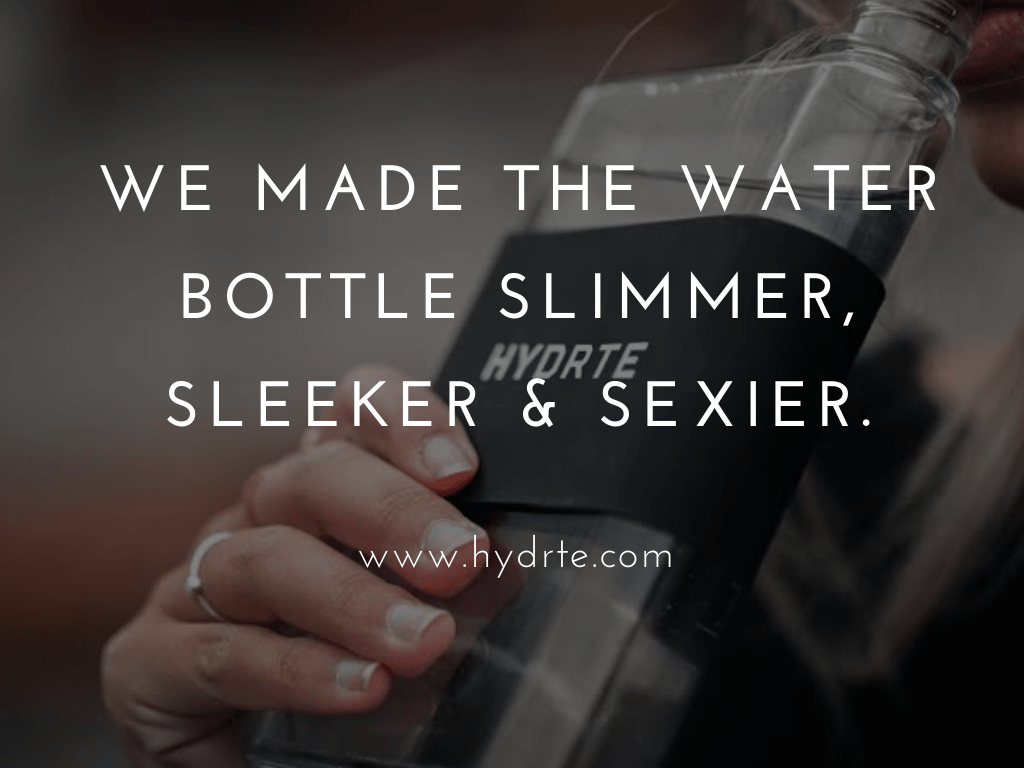
Hydrte is a sleek & convenient solution to a BIG problem in our world right now.That problem is Single-use plastic bottles. Humans are purchasing 1,000,000+ single-use bottles every 60 seconds. Only 23% of that is being recycled. The hydrte bottle has been designed to offer a premium feel and has a convenient flat shape. With a capacity of 350ml it is the perfect everyday water bottle. EXPLORE THE BOTTLE

Wastewater treatment: A critical component of a circular economy

The 8th World Water Forum was held in Brazil a few days ago. What’s ironic is that the more than nine thousand of us attending this Forum were discussing water-related issues in a city of three million grappling with a severe water shortage. After checking in at my hotel, the first thing I found in my room was a notice from the Government informing guests of this crisis and recommending ways to reduce water use. We recently learned of the predicament in Cape Town, South Africa, which was on the verge of running out of this essential liquid—a plight facing many cities around the world.

The way in which we have been managing this resource and its services is clearly not a long-term solution. Traditional investment planning, design, and operating models are linear in nature: water is extracted from the source, treated, and used, and the wastewater is then treated and discharged in a receiving water body. We need to transition from the linear model to a circular one focused on reducing water use and consumption and promoting the reuse, recycling, restoration, and recovery of water resources.  Realizing this goal will entail rethinking the current wastewater treatment model.
 
In a bid to foster this paradigm shift in Latin America, we are working with the CAF and several countries to implement the “Wastewater: From Waste to Resource” initiative. As part of this effort, a session was organized during the World Water Forum to facilitate discussions with governments and the private sector on the challenges and opportunities associated with promoting this fundamental change. Wastewater must no longer be seen as a problem but as a solution that can help provide sustainable infrastructure services, improve the financial viability of operators and environmental quality, and strengthen the resilience of the systems.  “Wastewater treatment plants” should be abandoned in favor of “water resource recovery facilities.” Recovery of wastewater resources is already underway in several countries, albeit in an ad hoc manner.
 
So here’s the million-dollar question: What do we need to do to secure buy-in for this paradigm shift in our region? Below are a few suggestions arising from our work: 

  1. Appropriate legislation. Minimum effluent quality standards can be established in countries, as has already been done throughout most of the region. However, this legislation must be evaluated, taking costs associated with its implementation into consideration. Establishing strict effluent standards adopted in developed countries will have an adverse effect on the environment, as countries will be required to spend excessively on a small number of plants, leaving other sources of pollution untreated. Objectives for receiving bodies must be borne in mind when drafting legislation. These standards must be implemented over time in order to ensure compliance at a reasonable cost
     
  2. Intersectoral regulation, policies, and incentives.  These instruments must be adapted, aligned, developed, and implemented in concert with other sectors, as there may be regulations in other sectors (e.g., agriculture, health, energy) that prohibit the reuse of water or the use of biosolids such as fertilizers. Deriving income from bioenergy generation may not be possible if the electricity sector or the regulator has no incentive to promote the use, purchase and/or transportation of electricity generated from biogas
     
  3. Initiatives developed as part of a basin planning framework. Basin planning paves the way for integration of the benefits and impacts of the interventions proposed in multiple sectors, incorporating climate risks and socioenvironmental considerations as well. Recent basin planning methodologies include participatory mechanisms to reduce conflicts among users. Projects that have adopted this approach promote resource optimization and efficiency and maximize economic and social well-being without undermining the sustainability of the ecosystems. Greater priority must therefore be given to projects that adopt a comprehensive approach for basins. 
     
  4. A complete life cycle analysis that covers financial, environmental (including climate), and social aspects must be used to assess treatment plants. Financing sources for O&M must be explored and secured prior to launching new plants, expansions, and/or rehabilitation works. If O&M financing is inadequate, lower-cost technologies must be considered and potentially embraced, at least during the initial stage of the investment program. The plant’s contribution to the environment must not only be seen as improved water quality in the receiving body. It should also be viewed as a benefit tied to water reuse (e.g., substitution of alternative sources), energy generation from biogas (e.g., climate change mitigation and adaptation), and the use of biosolids as fertilizers (e.g., substitution of synthetic fertilizers). In addition, the positive social impacts of the facility must be taken into consideration during the entire cycle (e.g., jobs generated by the construction and O&M of the plants; increased value of properties owing to the improved quality of the receiving body; an appropriate alternative water source for farmers; low-cost fertilizers when a biosolid program is being implemented; improved health of the population). This life cycle analysis can be used to approve and justify tariff rates, and O&M costs can be covered by these rates and additional earnings from the sale of these recovered resources.
  5. Appropriate legislation. Minimum effluent quality standards can be established in countries, as has already been done throughout most of the region. However, this legislation must be evaluated, taking costs associated with its implementation into consideration. Establishing strict effluent standards adopted in developed countries will have an adverse effect on the environment, as countries will be required to spend excessively on a small number of plants, leaving other sources of pollution untreated. Objectives for receiving bodies must be borne in mind when drafting legislation. These standards must be implemented over time in order to ensure compliance at a reasonable cost.
  6. Intersectoral regulation, policies, and incentives.  These instruments must be adapted, aligned, developed, and implemented in concert with other sectors, as there may be regulations in other sectors (e.g., agriculture, health, energy) that prohibit the reuse of water or the use of biosolids such as fertilizers. Deriving income from bioenergy generation may not be possible if the electricity sector or the regulator has no incentive to promote the use, purchase and/or transportation of electricity generated from biogas.
     
  7. Initiatives developed as part of a basin planning framework. Basin planning paves the way for integration of the benefits and impacts of the interventions proposed in multiple sectors, incorporating climate risks and socioenvironmental considerations as well. Recent basin planning methodologies include participatory mechanisms to reduce conflicts among users. Projects that have adopted this approach promote resource optimization and efficiency and maximize economic and social well-being without undermining the sustainability of the ecosystems. Greater priority must therefore be given to projects that adopt a comprehensive approach for basins. 
     
  8. A complete life cycle analysis that covers financial, environmental (including climate), and social aspects must be used to assess treatment plants. Financing sources for O&M must be explored and secured prior to launching new plants, expansions, and/or rehabilitation works. If O&M financing is inadequate, lower-cost technologies must be considered and potentially embraced, at least during the initial stage of the investment program. The plant’s contribution to the environment must not only be seen as improved water quality in the receiving body. It should also be viewed as a benefit tied to water reuse (e.g., substitution of alternative sources), energy generation from biogas (e.g., climate change mitigation and adaptation), and the use of biosolids as fertilizers (e.g., substitution of synthetic fertilizers). In addition, the positive social impacts of the facility must be taken into consideration during the entire cycle (e.g., jobs generated by the construction and O&M of the plants; increased value of properties owing to the improved quality of the receiving body; an appropriate alternative water source for farmers; low-cost fertilizers when a biosolid program is being implemented; improved health of the population). This life cycle analysis can be used to approve and justify tariff rates, and O&M costs can be covered by these rates and additional earnings from the sale of these recovered resources.

ABOUT US-

Hydrte is a sleek & convenient solution to a BIG problem in our world right now.That problem is Single-use plastic bottles. Humans are purchasing 1,000,000+ single-use bottles every 60 seconds. Only 23% of that is being recycled. The hydrte bottle has been designed to offer a premium feel and has a convenient flat shape. With a capacity of 350ml it is the perfect everyday water bottle. EXPLORE THE BOTTLE
25 Ways to Use Less Plastic

It is very possible to get most of the plastic out of your life—especially the disposable plastic. (Though durable goods like computers and car parts will be the exception). Start with the low hanging fruit first, like buying your eggs in cardboard instead of polystyrene. Then consider taking on just one or two of the bigger changes a month.

Here are some suggestions for reducing both your use of plastic and your exposure to its toxins:

  1. Since plastic is found widely in processed food packaging (this includes canned foods and beverages, which have a plastic lining), the most profound thing you can do to reduce plastic toxins in your life is to change your diet to include primarily fresh, whole, unpackaged foods from the farmer’s market or food co-op. Buying in bulk or joining a buying club can make this very affordable.
  2. Get your fresh eggs in cardboard cartons, not polystyrene. Get your fresh meat and cheese wrapped in waxed butcher paper, instead of plastic and foam.
  3. Get your fresh milk in bottles, not plastic-coated cartons or jugs. Many stores and farmers encourage you to return the empty bottle in exchange for savings on your next full one.
  4. Use old-fashioned, waxed butcher paper when you buy and store meats and cheeses. Use reusable freezer bags to hold freezer items that can’t go into glass or butcher paper.
  5. Avoid canned foods and beverages, including canned baby formulas. You can get many canned food items, like crushed tomatoes or broth, in glass jars or tetrapaks instead. A small handful of companies are offering their products in BPA-free cans, and the number continues to grow due to public demand. Here’s a list.
  6. When shopping, use reusable produce bags to hold your produce, and reusable grocery bags to carry all your items home. Here’s an easy way to always remember them. You can also use reusable cotton sacks for bulk items like coffee, rice and nuts.
  7. Store, reheat or freeze your leftovers in glass containers instead of in plastic “tupperware” or plastic wrap. (These are the containers we use, and while not 100% plastic-free, we love them.)
  8. Use reusable cloth baggies instead of plastic baggies for lunches and snacks.
  9. Get a good water filter for your tap to replace bottled water. Or, if nothing else, buy bottled water only in reusable 5-gallon polycarbonate containers, and keep them in a cool, dark place. (Here’s how to find one.)
  10. Use reusable glass or stainless steel water bottles to carry water with you.
  11. Skip the straw with your drink, or use a washable, reusable straw instead.
  12. Bring your own stainless steel coffee thermos to the coffee shop or office with you. Most coffee shops have no problem putting your latté in a reusable thermos.
  13. Avoid disposable plastic or polystyrene dishes and utensils. Instead, go to the thrift store and get a stack of super cheap mismatched ceramic dishes and stainless steel cutlery that you use only for parties, picnics and the like.
  14. Replace your plastic kitchenware with items made from stainless steel, glass, ceramic, or even silicone instead.
  15. Bring your own containers to the restaurant for both carryout and leftovers. I use these containers, and as long as I hand them over at the same time I order my takeout, no one has turned me down yet.)
  16. Ask for your newspaper and dry cleaning without plastic wrap.
  17. Don’t take the receipt at the register, or have the cashier drop it into the bag, then only handle it using gloves. Those slick, thermal-paper cash register receipts are a major source of BPA contamination via your skin.
  18. Make your own cleaners from non-toxic ingredients, and store them in glass jars and bottles. You can even take the spray pump off of an old spray bottle, and screw it onto a recycled glass vinegar bottle.
  19. Make your own shampoo, lotions, liquid soaps, and cosmetics and store them in glass, ceramic or stainless steel containers. There are tons of DIY recipes on the internet you can make to replace all the plastic bottles of personal care potions you currently use.
  20. Replace your toothbrush with a non-toxic one. There are eco-friendly toothbrushes out there. Avoid plastic toothpaste tubes (and nasty chemicals too) by making your own toothpaste.
  21. Always ask for BPA-free dental sealants and BPA-free composite fillings at the dentist office. If your dentist doesn’t offer it, find one that does.
  22. Use cloth diapers.
  23. Because children are extra susceptible to the toxins in plastics, choose glass bottles with real rubber nipples, wood or cloth teethers, etc.
  24. Choose wood, cloth, steel and paper-based toys for your children over plastic, whenever possible. This is especially important while your kids are still young enough to put things in their mouths. See if you can get plastic toys like Legos second hand from eBay, Craigslist or other online outlets.
  25. Replace your school-age child’s plastic lunchbox with a cloth or stainless steel one. There are many non-toxic lunchbox choices, and most are great for adults, too!

ABOUT US-

Hydrte is a sleek & convenient solution to a BIG problem in our world right now.That problem is Single-use plastic bottles. Humans are purchasing 1,000,000+ single-use bottles every 60 seconds. Only 23% of that is being recycled. The hydrte bottle has been designed to offer a premium feel and has a convenient flat shape. With a capacity of 350ml it is the perfect everyday water bottle. EXPLORE THE BOTTLE
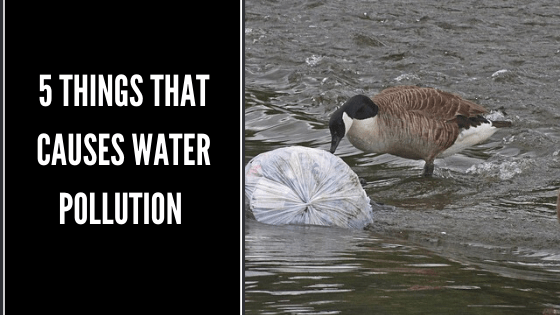
5 Things That Causes Water Pollution

Water is one of the basic needs of a human being. We use it to quench our thirst, give energy to our body, and wash our clothes, dishes, and other parts of our home. Without water, we will die.

As years passed, the population began to grow, and bodies of water become polluted. Water pollution occurs when huge bodies of water like the groundwater, oceans, rivers, and lakes are contaminated with harmful chemicals and bacteria. This is due to the waste product directly thrown into the water.

Indeed, water pollution is one of the major crisis that the world faces today, and it affects millions of people who don’t have access to clean drinking water. The government spends time and effort to focus on water pollution and its effects to protect the people.

We need water to survive and to do that, and we have to make several measures to save some of the resources that we have today.

Thus, in this article, we will discuss the causes and effects of water pollution and some of the doable solutions we can start immediately.

Causes of Water Pollution

1.Rapid Urban Development

Through the years, we have witnessed the exodus of people in towns and cities. People began to build houses, roads, and big industries. Thereafter, there is a physical disturbance of the land and factories began to dump their chemical wastes in the bodies of water.

Big factories flush down waste products in the water, and this is one of the major causes of ocean pollution.

On the other hand, ordinary people also cause water pollution and not just big factories. Everyone is guilty of pouring chemicals or detergents in their drains or toilets. This toxic pollution can enter the wastewater from highway runoff.

The highway runoff is usually covered with toxic chemicals such as spilled fuel, chemical additives, brake fluids, and exhaust emissions. When the rain pours, these chemicals are washed in the drains and into the rivers.

With this, the school of fishes can get killed overnight. According to studies, the highway runoff in one year is equivalent to an oil tanker spill. Some highway runoffs come into the drains, and it can pollute the groundwater or accumulate in the land near the road. Thus, it becomes increasingly toxic year by year.

2.Improper Sewage Disposal

Nowadays, the disposal of sewage waste is becoming a major issue due to the growing population of the world. Its improper disposal can lead to several water-related diseases that can kill adults and children.

Sewage disposal problem does not end easily. As soon as you flush the toilet, the waste has to go somewhere and even if it leaves the sewage treatment, there are still waste needed to dispose of. Thus, sewage waste is dumped into the oceans.

In theory, sewage contains a natural substance which can be broken down by the environment easily. In fact, 90% of sewage contains water. However, in practice, sewage contains all other types of chemicals such as paper, plastic, and pharmaceutical products that they flush in the toilet.

Also, when people are sick, they carry viruses with them. Thus, the sewage they produce carries those viruses and spread in the ocean. Nowadays, it is possible to catch typhoid, hepatitis, and cholera from the ocean and river.

3.Use of Toxic Chemicals for the Plants

Also, farmers have used harmful fertilizers to produce more and cope up with the demands of the growing population. This results in an algal bloom in the water. When the oxygen level of the water increases, it can also cause the extinction of underwater plants as well as the fishes.

Dumping of Chemical Wastes by Big Factories

Detergents are one of the chemicals dumped in the ocean. On the other hand, the Polychlorinated Biphenyls (PCBs) are highly toxic substances, and its traces are found to be discharged into the environment today.

Other toxic pollution that is found in the water is caused by chemicals such as mercury, cadmium, and lead.

Lead is used in gasoline or petrol, but it has been restricted in some counties. Meanwhile, cadmium and mercury are still used in batteries. Recently, a chemical named Tributyltin (TBT) was also found in the affected bodies of water.

In 1938, a Japanese factory discharged a huge amount of mercury metal in Minamata Bay. This heavy metal water pollution contaminated the fish stocks and it took almost ten years for the problem to come to the attention of the authorities.

By that time, locals have already consumed the fishes, and about 2,000 residents were poisoned. More than 100 people became disabled and got killed.

4.Discharge of Radioactive Wastes

High concentrations of radioactive waste can cause great alarm to the public. It can cause illness such as cancer which can ultimately cause the death of a person.

In Europe, the biggest source of radioactive pollution is Sellafield and Cap La Hague. These companies discharge radioactive waste in the ocean which the currents carry around the world.

Norway has been receiving significant doses of radioactive pollution from Sellafield, and the government has repeatedly been complaining about the company. Both the Norwegian and the Irish government has been continuously pushing for the closure of the plant for years.

Oil Spills

According to studies, 12% of the oil that enters the ocean is due to tanker accidents while 70% of it comes from people pouring down oil on the land and routine shipping.

However, tanker oil spills are destructive since it releases large amounts of oil at once. In the United States, one of the biggest oil spills is in 1989 when the tanker Exxon Valdez broke up in Prince William Sound in Alaska.

During this incident, around 12 million gallons of oil were dumped in the ocean. With this, about 1000 to 2,000 sea otters and 250,000 seabirds were affected. Also, billions of salmons and herring eggs are destroyed due to the oil spill.

ABOUT US-

Hydrte is a sleek & convenient solution to a BIG problem in our world right now.That problem is Single-use plastic bottles. Humans are purchasing 1,000,000+ single-use bottles every 60 seconds. Only 23% of that is being recycled. The hydrte bottle has been designed to offer a premium feel and has a convenient flat shape. With a capacity of 350ml it is the perfect everyday water bottle. EXPLORE THE BOTTLE

How plastic pollution is affecting seals and other marine life

Microplastics, abandoned fishing gear and other plastic pollution are among our biggest environmental threats. It’s hurting sea animals and making them sick

After ingesting microplastics, seals, and other animals, may suffer for months or years before they die

Plastic waste is littering our oceans and threatening the lives of millions of marine animals. Seals, whales, dolphins, seabirds, fish, crabs and many other sea animals are dying and becoming sick because of this deadly environmental concern.

Microplastics are a major part of the issue. Microplastics are tiny pieces of plastic which come from larger plastics that have degraded over time.

Sea animals often eat microplastics because of their small size. And plastic contains toxic chemicals, which can increase the chance of disease and affect reproduction. After ingesting microplastics, seals, and other animals, may suffer for months or years before they die.

In 2014, an estimated 15 to 51 trillion microplastic particles were floating in the world’s oceans, weighing between 93,000 and 236,000 tonnes.

What is ghost gear and how is it connected to microplastics?

Ghost gear is the name given to fishing equipment which has been abandoned or lost in the sea. Nets and other man-made equipment can entangle and kill whales, dolphins, turtles, seals and other sea animals.

It’s likely that as the volume of ghost gear in our oceans increases, the volume of microplastics will increase too. We urgently need more research to understand how ghost gear contributes to the microplastics problem.

But we do know more and more fishing gear is being left in our oceans, and as this breaks down into microplastics, more animals could be poisoned.

ABOUT US –

We are on a mission to eradicate single-use plastic bottles.

Hydrte is a sleek & convenient solution to a BIG problem in our world right now.

10 worst single-use plastics and eco-friendly alternatives

lastic is an incredible material, made to last forever

So what’s the deal with single-use plastics? Around 40% of plastics consumed are single-use. While convenient, they’re discarded after just one use. The amount of time, energy and effort that goes into producing, exporting and importing these products just doesn’t add up – especially if they’re made to last forever. 

Where do single-use plastics go once we’ve used them?Shockingly, only 12% of plastics used in Australia ends up recycled. For years, we’ve been sending our plastic waste overseas to be processed, but now countries like China have refused to accept 99% of our rubbish. These days, our recyclable waste often ends up stockpiled in landfill, littered by the sides of roads, in our parks, nature and oceans.Something needs to change.

Here are the 10 worst single-use plastics and some eco-friendly alternatives you can swap them for!

1. Plastic Straws

Thorny seahorse and a plastic straw in the ocean © Shutterstock / Krzysztof Bargiel / WWF

In Australia, 2.47 billion plastic straws end up in landfill. They’re lightweight, so once they’re dropped or discarded, plastic straws easily blow into waterways and enter our oceans. Once in our oceans, they’re extremely dangerous for our marine wildlife. There have been instances where sea turtles have had plastic straws lodged painfully in their nostrils.

Plastic free alternativesStainless steel straws, bamboo straws, pasta straws and rice straws(yes, they’re a thing!). For those that like the flexibility of plastic straws, there are other eco-friendly alternatives including paper straws, reusable silicone straws and compostable plant-based straws. Or best of all – and when possible, choose to go straw-free!

2. Plastic Drink Stirrers

Cocktail stirrers are a fun accessory for drinks, but most are made from plastic and only used once before the novelty of them fades and they’re thrown away. They end up in the trash, on our beaches and in our oceans.

Plastic free alternatives:Reusable glass or bamboo stirrers, or spoons! Or try a stick of celery, carrot or cucumber. Why not go herbal and try a stick of rosemary?

3. Balloon Sticks

What goes up must eventually come down. While balloons are a nice decorative item for celebrations, they’re one of the highest-risk plastic debris items for seabirds. Not only are the balloons themselves deadly, but so are the plastic sticks that often come with them.

Plastic free alternatives: Plan a planet-friendly party and skip the balloons. Opt for more eco-friendly decoration options like paper lanterns, recycled bunting, DIY bubble blowers and flowers.

4. Plastic Cotton Buds

Did you know that 1.5 billion cotton buds are produced every day, with the average person disposing of 415 a year? Sadly, many of these cotton buds end up in our oceans. Once the cotton tips dissolve, all that’s left is essentially a small, rigid plastic stick which is easily ingested by birds, fish and other marine wildlife.

Plastic free alternatives:Fluid ear washes, bamboo cotton buds, organic cotton makeup pads or a reusable silicon swab like The Last Swab. It comes in two designs – one for swabbing your ears and one for makeup.).  

5 & 6. Coffee Cups & Lids

Discarded disposable coffee cups litter the streets © Elizabeth Dalziel / WWF-UK

Australians sure love coffee! If we lined up all the takeaway coffee cups we used in Australia each year, it would stretch around our Earth twice! Around 2.6 billion coffee cups end up in landfills each year.

It’s important to note that most takeaway coffee cups can’t be recycled as they’re made with a plastic lining.

The good news is that there are plenty of cafes that now offer discounts on your morning brew if you bring in your own reusable cup. 

Plastic free alternatives: Reusable glass Keep Cups, porcelain mugs or have your coffee dining in!

7. Plastic Cutlery

Plastic forks and cutlery in nature CC0 filmbetrachterin / pixabay

Eating out and getting takeaway often comes with more than just food. Plastic cutlery and plastic bags often come in the mix.

In Australia, plastic cutlery isn’t easily recycled. Recycling machines often can’t sort them due to their shape, so many end up in landfills and take centuries to degrade.

Eco-friendly alternatives:Next time you order takeaway, make a special request to say no to the additional plastic. Switch to reusable bamboo utensils, a travel cutlery set that you can take with you wherever you go or bring your own from home! Chopsticks are also a great alternative to have in your bag if you’re planning on getting takeaway.

8. Plastic Cups

500 billion disposable cups are consumed every year. That’s enough to go around the Earth 1,360 times! While lightweight and convenient, foam cups (made from polystyrene) can’t be collected by most council kerbside recycling services and often end up as trash in landfills. 

Plastic free alternatives:Bring your own reusable cup or a mason jar if you’re planning a trip to your favourite juice or smoothie shop. You can also help encourage your favourite cafes and food retailers to switch to eco-friendly and compostable alternatives.

9. Plastic Containers

Disposable plastic cutlery and containers used at food markets © Elizabeth Dalziel / WWF-UK

Globally, over 78 million metric tonnes of plastic packaging is produced every year and it’s projected that plastic production will increase by 40% by 2030. The packaging industry is the largest converter of virgin plastics, and many of these are only used once for food packaging, shopping bags and beverage bottles.

Plastic free alternatives: Avoid pre-packaged meals. Most food outlets will happily put the food directly into your own reusable container if you ask. Some options for containers include glass containers, stainless steel lunch boxes and mason jars. You can also shop at bulk food stores and bring your own containers to fill. If you’re eating out, why not ask your favourite outlets to switch to compostable and eco-friendly alternatives?

10. Plastic Plates

Plastic plates might be cheap and handy when hosting parties or at picnics or food courts, but once they’re thrown away, they often end up as trash in landfills. Most recycling centres are unable to sort these plates due to their shape.

Plastic free alternatives:Glass or porcelain plates. Alternatively, palm leaf or bamboo pulp plates.

ABOUT US –

We are on a mission to eradicate single-use plastic bottles.

Hydrte is a sleek & convenient solution to a BIG problem in our world right now.

7 Ways to Reduce Single Use Plastics in the Kitchen

Facts About Single Use Plastics

Nature is a beautiful thing, but unfortunately, it’s been and is still being polluted by millions of tons of plastic waste. Consider your local parks, they’re managed and often man-made by park staff, but they’re often littered with refuse. The once classic walk in the park is no longer a calming scene when there’s garbage peaking at your from the landscaping and underbrush.

Single-use plastics might seem like a small contribution, but the price of convenience piles up quickly. Reduce your plastic pollution replacing your single-use plastic items with alternatives that last longer. Here are a few reasons why you should consider switching out your single-use plastic to help make a better impact on the environment.

  • Plastic doesn’t biodegrade – Plastic waste can take up to 450 years to fully degrade.[1]
  • Marine life is diminishing – By 2050 it’s estimated that there will be more plastic in our oceans (by weight) than fish. [2]
  • Recycling is not the answer – Approximately only 9% of plastic is recycled in the US.[3] China, formerly our biggest recycling importer, no longer accepts much of our recycling.
  • Production isn’t slowing down – In 2016, world plastics production totaled around 335 million metric tons. That means roughly half the world’s of annual plastic production is destined for a single-use product. [4]

The good news is, as piles of litter continue to grow, so does the awareness of the damage its causing and reformed consumers everywhere are turning to greener alternatives. These proactive customers are eliminating plastics from their homes and daily lives to better help the environment and reduce the toll single-use plastics have.

Alternatives to Single Use Plastics

Straws

Paper straws are becoming quite popular, especially for parties and get-togethers as they often come in a variety of colors, styles, and patterns. They make great accents to any themed party, and look like part of the decor. If you prefer to use straws at home, or if you’re having a more intimate party with less people, reusable (washable) straws made from stainless steel, glass, silicone, and even bamboo are an eco-friendly option. When you go out to a restaurant, try skipping the straw and simply drink out of your glass instead. Make sure you ask your server to skip the straw before he or she brings your drinks. Several restaurants and popular food chains are already making the full switch to serving customers drinks without straws now. Even some cities have decided to ban straws to protect marine wildlife. 

 Water Bottles

If you don’t like the taste of tap water, a water pitcher filter will help you reduce water bottle waste. It’s also significantly cheaper to filter your own tap water, plus you won’t have lug heavy packs of water bottle home every shopping trip. By buying a stainless steel water bottle, you can fill it up with filtered water from your home.

Plastic Cups

Whether you’re grabbing a cup of joe or tea at work or refilling your cup after a long workout at the gym, plastic cups build up unnecessary waste in our environment. It’s silly to use a plastic cup for only a few minutes when it’ll last for hundreds of years before breaking down. Bring your own coffee mug or tumbler to work and rely less on disposable products.

Plastic Bags

Everyone has that one drawer or cabinet in their house that’s stuffed with used plastic bags. Plastic bags are a dime a dozen and it’s almost impossible to reuse them for anything given how easily they tear. Instead of struggling with heavy grocery bags that inevitably fail you, why not just bring your own? Reusable, canvas or recycled plastic grocery bags are a great alternative to collecting all those plastic bags. They also usually have much more comfortable straps and more storage, so you can take fewer trips. You can create your own custom designs with some scrap fabric you have sitting around, or find these bags at almost any grocery store by the checkout aisle.

Plastic Forks, Spoons, and Knives

Astonishingly, some people actually use single-use plastic utensils on a daily basis! Start scrubbing and stop polluting! It makes a significantly smaller impact on the environment if you just wash your eating utensils throughout the week, rather than buying plasticware destinated for the landfill. When you get take-out or carry-away make sure to leave a note for the restaurant to leave the plastic utensils and condiment packages out, too.

Coffee Cups

Did you know that 25 billion styrofoam coffee cups are thrown away every year?[4] Some major chains like Starbucks will actually give you a discount if you bring in your reusable coffee cup or tumbler. It doesn’t have to be a specific brand, but try to take one with a lid that you can close and make sure it’s clean before handing it to the barista. To keep your coffee or tea warm, get a double-walled or insulated tumbler. They come in porcelain, stainless, and even glass—and many coffee shops carry them in store if you don’t have one yet. Try to get one that won’t hold onto to smells or tastes, so you can use it for whatever you’re drinking. Plastic tumblers repeatedly used for coffee tend to add a hint of that coffee flavor to anything you’re drinking. 

Cans

Don’t judge a book by its cover; cans are actually lined with plastic! To reduce your soda can waste you can opt for your own in-home soda maker. Not only is this a great alternative to single-use plastics, but it creates a crisp, carbonated beverage every time you want a sip of something fizzy. Like bottled water, there’s a significant savings available to you when you switch from store bought sodas to a home carbonation system.  

ABOUT US –

We are on a mission to eradicate single-use plastic bottles.

Hydrte is a sleek & convenient solution to a BIG problem in our world right now.

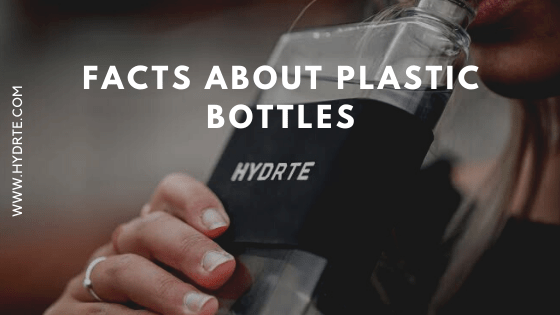
Facts about plastic bottles

Given that you are on this website you are probably aware of the alternatives and the benefits of recycling a plastic bottle.

The consumer culture that prevails around us makes huge pollution and the occurrence of plastic waste.

Below is a list of facts listing the extent of pollution:

  • Plastic bottles require up to 700 years to dissolve.
  • 90% of the cost of bottled water is the bottle itself.
  • 80% of plastic bottles never get recycled.
  • 38 million plastic bottles go to landfill each year in America alone.
  • 24,000,000 liters of oil are needed to produce these billions of plastic bottles.
  • The average American consumes 167 bottles of water per year.
  • Bottling water and shipping transport is the least energy-efficient method of water supply in the history of mankind.
  • Bottled water is the second most popular beverage in the United States.

ABOUT US-

Hydrte is a sleek & convenient solution to a BIG problem in our world right now.That problem is Single-use plastic bottles. Humans are purchasing 1,000,000+ single-use bottles every 60 seconds. Only 23% of that is being recycled. The hydrte bottle has been designed to offer a premium feel and has a convenient flat shape. With a capacity of 350ml it is the perfect everyday water bottle. EXPLORE THE BOTTLE

5Ways To Stop Using Single Use Plastic

1. Switch to reusable sandwich bags

LunchVeggieChips
Image: ReZip

Can you believe the average American uses over 500 sandwich bags per year?? And while they can be reusable to a certain extent, they can only take so many rinses before they need to hit the trash. The good news is there’s a simple and very handy solution. Reusable sandwich baggies! We love the ReZip from Blue Avocado 4-Piece Essential Set which includes four bags in a variety of sizes for all your snacking and lunchtime needs. These are perfect for taking to work, traveling, and hiking. We also keep one filled with kiddo snacks in the diaper bag at all times!

2. Stop Using Saran Wrap

bees wrap
Image: Bee’s Wrap

And start using Bee’s Wrap! All the convenience of saran wrap (which has really proved its value since having kids) without the waste! And that awkward stick-to-everything-you-dont-want-it-to-ness. Bee’s Wrap is made from organic cotton and sustainably harvested bees wax. It’s washable and, according to the manufacturer, can last up to a year with proper handling. We’ve used it, it works, it’s awesome. Did we mention it comes in great prints?

3. Get a Reusable Water Bottle

It’s a little surprising when we see people sipping artisanal bottled water then tossing the plastic bottle in the trash. It’s not only ironic, it’s a little dumbfounding considering the plethora of reusable water bottles on the market. Our favorite for on-the-go is the mighty Hydrte water bottles. They claim they keep your cold drinks cold and your hot drinks hot and they’ve got that right. We once left our bottle under the Hawaiian sun for 4 hours and returned to find our H2O nice and chilly, ice still in tact.

4. Say No to (plastic) Straws

straw
Image: Amazon

Straws have a way of just appearing in your drink. Ice tea? Long straw. Cocktail? Two tiny straws. Rarely are they asked for. But even more rarely are they asked NOT for. It’s a proactive step that requires actually stopping and thinking about the fact a straw is likely to appear in front of you after you asked for a water at a restaurant. And once one is put in your beverage, taking it out and not using it really doesn’t make a positive impact (although we have done it out of guilt). And to be honest, straws are pretty convenient. So why are they a big deal? Well, in the US alone we use about 500 million straws daily. And these puppies ain’t recycled.

So how do you cut the straw out of your life? Assume that you’re going to be served one in every single drink someone gives you and do your damndest to refuse it before it gets put in your drink. This will be hard to remember, but if every time you forget to do this you look at your straw and say “oh sh** I don’t want that!” it will eventually sink in and become habitual to ask for your drinks sans straw. Now what if you actually really like straws?? (me). You’re in luck. There are great options that aren’t those paper straws that disintegrate in you lemonade before you have a sip. There’s glass straws like these from Strawsome or stainless steel like these from Onyx. Either way, you’ll be sipping sustainably.

5. Bring Your Own Bags (everywhere)

chico
Image: Chico Bags

Duh, right? But look around the grocery store the next time you’re there, think about what you do when you forget your bags in the car or at home, and think outside of the grocery store. Tons of people are still schlepping their groceries home in plastic bags. Even the best intentioned of us find ourselves in a bag conundrum at times. (“Can I carry it all to the car in my hands without dropping everything? Or do I just use the damn bag? I’ll reuse it for something, I promise!”) Now think about all the places plastic bags are used OUTSIDE of the grocery store. Target, the mall, the hardware store, etc etc etc. Try and keep a reusable bag in your purse/car/bike basket at all times and chances are you’ll find opportunities to use it. We’re loving Chico Bag’s rePETE sling bag. It’s made from 100% post-consumer recycled content and wraps up into a tiny compact ball you can fit anywhere.

ABOUT US-

Hydrte is a sleek & convenient solution to a BIG problem in our world right now.That problem is Single-use plastic bottles. Humans are purchasing 1,000,000+ single-use bottles every 60 seconds. Only 23% of that is being recycled. The hydrte bottle has been designed to offer a premium feel and has a convenient flat shape. With a capacity of 350ml it is the perfect everyday water bottle. EXPLORE THE BOTTLE

5 Beauty Benefits of Drinking Water

1. Helps Keep Skin Young

Without water, the skin begins to shrivel up and dry. Prolonged periods of dehydration will exacerbate skin damage and the effects of dry air on the skin. While water won’t cure wrinkles, consistent hydration can help keep skin looking younger and healthier for longer. 

2. Increases Skin Elasticity 

To increase the skin’s lifespan and reduce stretch marks, drink water. According to Michigan State University, water directly increases the skin’s elasticity. This means that well-hydrated skin can be stretched further without being damaged. In other words, drinking water is like stretching your muscles, only for your skin.

3. Boosts Skin’s Glow

Because the skin is comprised of about 64 percent water, it becomes flaky without hydration. Causing ashy and itchy skin, a lack of water can exacerbate these ailments in dry areas. This is why moisturizers like lotion help smooth out skin and contribute to a water-based “glow”.

4. Helps Combat Skin Conditions Like Eczema 

While there are medical treatments for skin conditions like eczema, drinking more water can help these medical treatments work more effectively. In addition to medications, experts recommend taking showers to hydrate the skin and drinking enough water each day. 

Water for Gorgeous Nails

Moisture plays a key role in nail maintenance. Since your fingers are constantly exposed and come into contact with plenty of harsh materials every day, it’s important to make sure they’re strong and healthy by keeping them hydrated. Besides, who doesn’t like to keep their nails looking well-manicured?

5. Prevents Peeling

Water helps hydrate the nail itself and will strengthen them over time. Without adequate water, nails can peel much more easily, as the typical amount of water content in a human nail is 18 percent — when the amount drops below 16 percent, the nails will start to become brittle. 

ABOUT US- Hydrte is a sleek & convenient solution to a BIG problem in our world right now.That problem is Single-use plastic bottles. Humans are purchasing 1,000,000+ single-use bottles every 60 seconds. Only 23% of that is being recycled. The hydrte bottle has been designed to offer a premium feel and has a convenient flat shape. With a capacity of 350ml it is the perfect everyday water bottle. EXPLORE THE BOTTLE
Design a site like this with WordPress.com
Get started