Plastics are generally tough, corrosion and chemical resistant, lightweight, easy to fabricate, and less expensive when compared to alternative materials like metal. As with any manufacturing material, there are advantages and disadvantages to the different properties each material might have. Although there are many impact resistant plastics to choose from, there are a few that excel in their respective applications. Below we discuss the potential for three of the most common impact resistant plastics.
ABS PLASTIC
ABS (acrylonitrile butadiene styrene) is a widely used thermoplastic polymer found in everything from the popular Lego® toys to automotive parts. The heat at which ABS plastic is molded affects its final properties, with low temperatures yielding more impact resistance and high temperatures yielding more ultimate heat resistance.
Advantages:
Good machinability
Low end of the price scale
Great impact resistance
Good strength and stiffness
Wonderful aesthetic qualities
Easy to glue and paint
Disadvantages:
Damaging to environment (oil based)
Not suitable for use with food
Applications:
Luggage
Appliance housings
Power tool housings
Camera bodies
Tool Boxes
Golf clubs
Car bumpers
POLYCARBONATE PLASTIC
Polycarbonate plastic is a thermoplastic polymer that can be made to be completely translucent (like glass). Because of its ability to be made in grades that are see-through, this plastic is commonly used as a less brittle glass alternative.
Advantages:
Excellent toughness and stiffness
Great electrical insulation
Easy to machine, fabricate and thermoform
Bonds well with solvent cements
Excellent optical clarity
Disadvantages:
Expensive
Not scratch resistant
Applications:
Skylights
Signs (Indoor and Outdoor)
Machine Guards
Eye glasses
Displays and graphic holders
Face shields
Architectural glazing to protect Federal and Government buildings, medical facilities and subway/train/bus stations from vandalism
PDCPD PLASTIC
Unlike ABS and polycarbonate, pDCPD is a thermoset plastic (see the differences between thermoplastics and thermosetting plastics) which makes it structurally more resistant to extreme temperatures. Products made with thermoset plastics are also subject to a different manufacturing process, which has made pDCPD molding an increasingly popular choice for products that require the best corrosion, heat, and impact resistance.
About our Mission – Hydrte was launched in 2019 with one main goal in mind, to produce a water bottle that helped significantly reduce single-use plastic consumption, whilst being stylish & convenient. One million single-use plastic water bottles are sold every 60 seconds worldwide. This is a huge problem for our planet. 60% of these bottles end up in landfill or even our rivers and oceans.
Plastic is one of the major cause of global warming today, it is causing congestion and increasing the concentrated plastic waste. The best way to help improve the environment is by cutting down and recycling of plastic.
“The wasteful & greedy nature of our consumerism has made #plastic become a threat to the natural environment, our health and our society. We must reduce, recycle & substitute!” Marco Lambertini, Director General of WWF.
This business would not only help in improving the environment but it is one of the recent businesses people are getting into. More and more people are starting plastic recycling business.
Here is how you can get into this business.
Research
The recycling market is new and has not gained much attention yet. It’s better to research about the market, their functions, aims to understand their work better. Look out for the plastic company who are willing to work with you and who are ready to pay for the recycled plastic. The best thing to do is to learn about the different types of plastic, their demands and the value of recycled plastic in the market. All these things will give you some depth on this business.
Make a business Plan
Make a plan, contact NGO’s or talk to some local volunteer who can help you in gathering the plastic across. You can talk to different authorized placements of recycling bins to receive more plastic wastes. Plan everything according to the area you want to start your business at and you can also talk to different shops or organizations who can provide you with the waste plastic material. It is best if you plan how you want to carry your business forward and contact people from the business for further help.
Location and License
If you have decided and made plans for execution of this business, make sure you get a business license. Decide a location that you think would fit for a plastic recycling company; get a license for that location. Make sure the location you choose has enough space for installing the equipments. It is important that you consider taking up a location outside of a busy area.
Equipment
Talk to an already existing recycling business person; ask him about the equipments that are needed for this business. Search for the equipments online or offline or you can also buy them on E.M.I. You would also need to furnish the location with the required things for the employees. The machines which are normally used are shredders, crushers, extruders, solar dryer and washer. You would need a large vehicle to transport, so its better you count this in as well.
ABOUT US :
Hydrte was launched in 2019 with one main goal in mind, to produce a water bottle that helped significantly reduce single-use plastic consumption, whilst being stylish & convenient. One million single-use plastic water bottles are sold every 60 seconds worldwide. This is a huge problem for our planet. 60% of these bottles end up in landfill or even our rivers and oceans.
Compostable plastics are biodegradable in composting conditions, while other plastics degrade in the soil (landfills or anaerobic digestors). It is important to note that compostability is a characteristic of a product, packaging or associated component that allows it to biodegrade under specific conditions.
Type of Biodegradable Plastics
There are two main types of biodegradable plastics:
Oxo-biodegradable
Hydro-biodegradable
In both cases, degradation begins with a chemical process (oxidation and hydrolysis respectively), followed by a biological process. Both types emit CO2 as they degrade, but hydro-biodegradable plastics can also emit methane. Both types of biodegradable plastics are compostable, but only the former can be recycled.
Compostable plastics are biodegradable in composting conditions, while other plastics degrade in the soil (landfills or anaerobic digestors).
It is important to note that compostability is a characteristic of a product, packaging or associated component that allows it to biodegrade under specific conditions (e.g. a certain temperature, timeframe, etc.). Hence, the primary difference between compostable and biodegradable is that compostable plastics are biodegradable in composting conditions, while other plastics degrade in the soil (landfills or anaerobic digestors).
About our Mission – Hydrte was launched in 2019 with one main goal in mind, to produce a water bottle that helped significantly reduce single-use plastic consumption, whilst being stylish & convenient. One million single-use plastic water bottles are sold every 60 seconds worldwide. This is a huge problem for our planet. 60% of these bottles end up in landfill or even our rivers and oceans.
Plastics were once seen as miraculous materials that catered perfectly to our culture of convenience – cheap, lightweight, easily mass-produced and simply thrown away after use. However, we soon came to realise that plastics are a lot harder to get rid of, than to create.
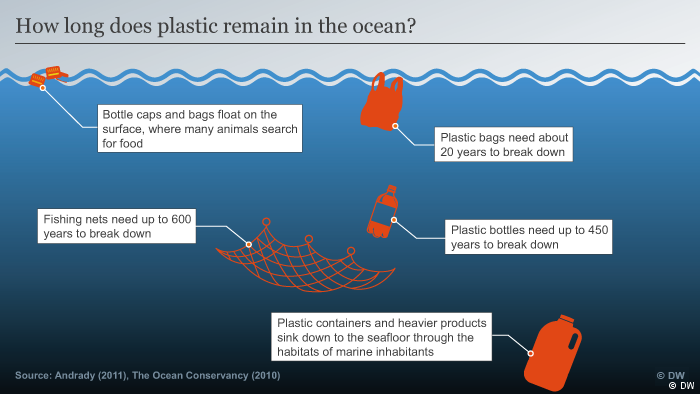
Most plastic materials never completely degrade; they remain in our environment, slowly being broken up into smaller and smaller pieces, and whilst recycling programmes have been put in place across developed countries, it is thought that just 5% of plastics are recycled effectively, with 40% ending up in landfill and over 30% in the environment. The rest is burnt, creating energy but also consuming more fossil fuels in order to manufacture new plastic materials that are forever demanded by our economies.
In the developing world, this explosion in demand for cheap and easily disposable products has grown faster than the ability to deal with the huge amount of plastic waste generated in these booming consumer societies. In fact, just 5 countries are responsible for over half the total amount of waste in our oceans – China, Indonesia, the Philippines, Thailand and Vietnam.
Over 80% of the plastic waste in our oceans actually originates on land and three quarters of that comes from uncollected waste or litter. This ‘plastic leakage’ results in 8 million metric tons of plastic materials entering our oceans every year. Today the amount of plastic waste in our oceans has reached a critical level – plastic waste has been found in the deepest parts of the oceans, on remote beaches far from sources of pollution and in vast, diffuse gyres made up of trillions of plastic particles. Unless we tackle the source of this plastic ’smog’, it is predicted that by 2050, there will be more plastic than fish by weight in our oceans.
What are the main culprits?
The B.A.N. list 2.0 released by the 5 Gyres organisation looks at how often different types of plastic pollution were found in the marine or coastal environments the USA, and whilst the results may not be directly applicable to the developing world, this list serves as an extremely useful guide to identifying the different types of visible waste – a hit list of the worst plastic offenders in our marine environment.
Food wrappers – 18.6%
Bottle caps – 16.7%
Beverage bottles – 12%
Bags – 9.4%
Straws and stirrers – 7.5%
Lids – 5.1%
Utensils – 4.9%
Cigarette butts – 3.2%
Take out containers, foam – 3.2%
Take out containers, plastic – 3.0%
So, what can I do?
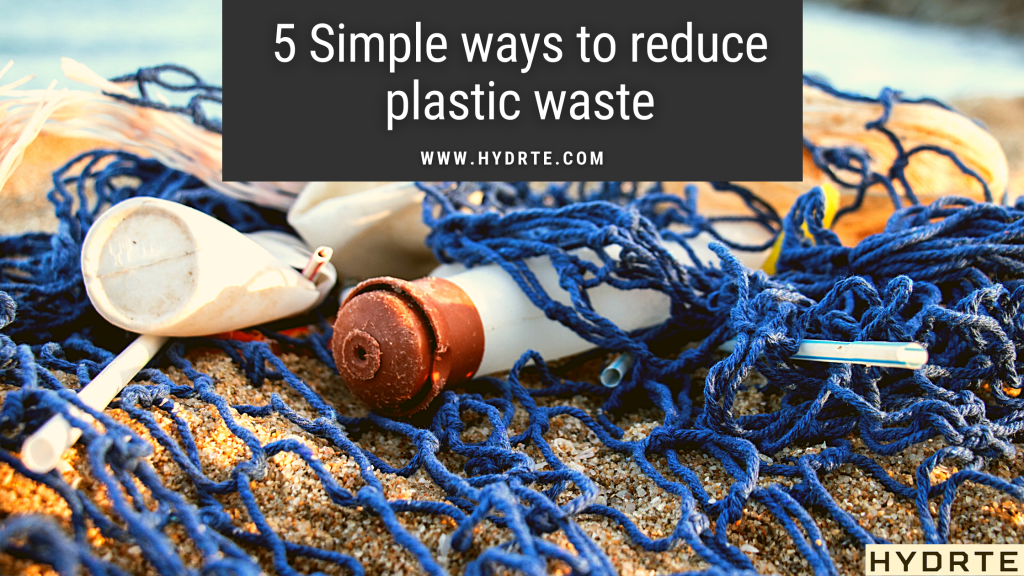
The best way to reduce the amount of plastic waste entering our oceans is to simply cut it off at the source and reduce the amount that is actually used in the first place. As well as reducing waste, this has the added benefit of reducing the consumption of the fossil fuels used to create plastics in the first place. As consumers, we can choose to buy products without packaging, carry our own water bottle, refuse straws and use our own reusable shopping bags – everyday acts that will significantly reduce the amount of plastic waste you are responsible for.
1. Carry a reusable shopping bag
On average a plastic bag is used for just 12 minutes, and yet can persist in the environment for decades. They are difficult to recycle and have very little value even if collected, making them extremely difficult to manage effectively. The choice here is simple – buy your own shopping bag that you can use again and again. Cloth bags are perfect for all sorts of uses and can easily be folded away and carried around for when you need it. And don’t be afraid to say no when offered a plastic bag when shopping – it is the perfect opportunity to again explain why you are turning it down.
2. Say no to plastic straws
It is thought that over 500 million straws are used every day in the USA, none of which are recyclable due to the materials used and their small size. Whilst many end up in landfill or are burnt, a huge amount leak into the environment – plastic straws are one of the commonest sources of ocean waste. An alternative? Well, first ask yourself if you really need that straw. If the answer is really yes, then carry a reusable and washable metal or bamboo straw with you. Bamboo has the added benefit of being extremely fast growing and perfect for rehabilitating degraded forest land.
3. Use your own takeaway cup
Styrofoam disposable cups and their plastic lids are a significant source of ocean waste. The foam material gradually breaks down, but the remaining particles can persist for decades. And neither the cups or the lids are easily recyclable. Once again, the figures are extraordinary – it is thought that 25 billion expanded polystyrene foam cups are used every year in the USA alone; the figure for the entire globe is incalculable. If you must get a takeaway coffee, then bring your own reusable and insulated cup – not only will it reduce your plastic footprint, but it will also keep you coffee hotter for longer!
4. Carry reusable containers
Much like disposable coffee cups and their lids, plastic styrofoam food containers litter beaches across the globe and are found drifting in the furthest reaches of our oceans. Making a switch to your own containers is easy to do – ideally glass or metal containers, but even plastic tupperware is better than nothing – it is at least reusable! Get in the habit of having a set of containers, a cloth shopping bag and a water bottle with you wherever you need them.
Hydrte was launched in 2019 with one main goal in mind, to produce a water bottle that helped significantly reduce single-use plastic consumption, whilst being stylish & convenient. One million single-use plastic water bottles are sold every 60 seconds worldwide. This is a huge problem for our planet. 60% of these bottles end up in landfill or even our rivers and oceans.
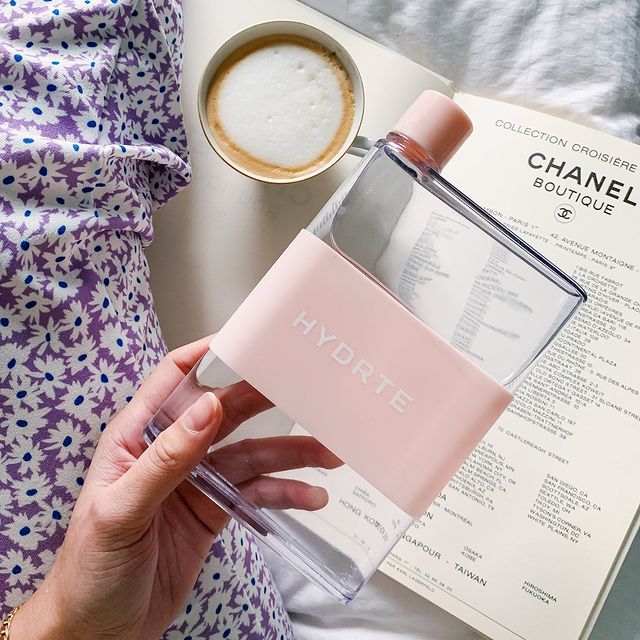
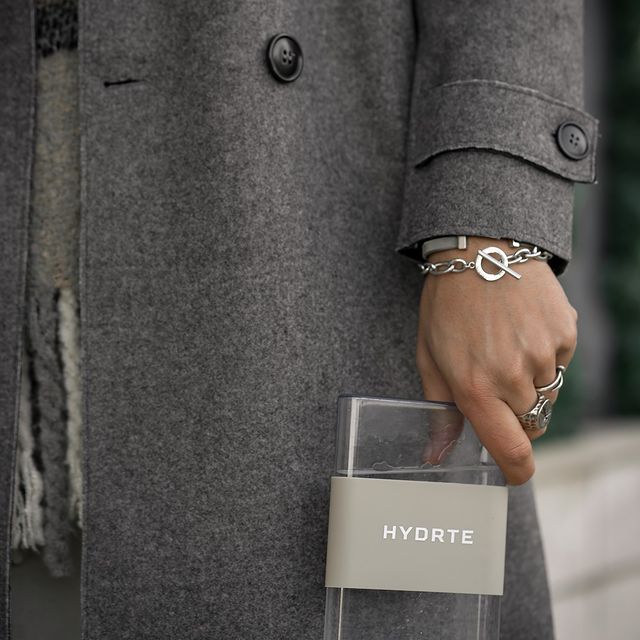
The Hydrte bottle was designed in London, inspired by the busy lifestyle of the city itself. The shape of the Hydrte bottle is unique, practical and convenient. Its flat slim shape was designed to offer a high-quality feel, whilst maintaining a sleek look. It comfortably fits into handbags, laptop bags, backpacks and just about anywhere else! You really can stay hydrated whenever, wherever! For the recommended daily amount of hydration, use tap water and this reusable bottle instead of buying bottled drinks, you could save an average of around £800/$1,000+ per year. It’s time to stay hydrated in style
The World Needs Plastics to Live Sustainably; and to Live Sustainably, We Must End Plastic Waste
Last week, the Pew Charitable Trusts released a new report, “Breaking the Plastic Wave: A Comprehensive Assessment of Pathways Towards Stopping Ocean Plastic Pollution.” The American Chemistry Council (ACC) welcomed the report and looks forward to working with the report’s authors and sponsors on solutions to help end waste.
Plastic waste in the environment, including in our oceans and waterways, is a significant, urgent problem. Yet, importantly, we believe it is solvable. Eliminating plastic waste will require a global transition to a circular economy where plastic material used today is recycled and reused again tomorrow. And building a more circular economy for plastics will require both upstream and downstream solutions.
Support for “Breaking the Plastics Wave”
In its report, Pew recommends investing to significantly expand our recycling infrastructure globally, and we strongly agree. According to the United Nations, between 2010 and 2018, 2 billion people globally were without waste collection services, and 3 billion people lacked access to controlled waste disposal facilities. As a result, plastic waste (and waste in general) was, and continues to be, mismanaged, finding its way into the environment, through open dumping, open burning, and disposal in waterways.
In response to this type of leakage, plastic makers and many others – brand owners, packaging manufacturers, recyclers, and NGOs – created the Alliance to End Plastic Waste. Together, the Alliance and its nearly 50 members have committed to invest $1.5 billion over five years toward solutions that will prevent leakage, as well as to recover and create value from used plastics. Alliance investments, which are intended to spark additional financing, are focusing on rapidly developing countries that account for nearly 60% of the waste entering the ocean.
Additionally, plastic makers support the report’s recommendations to develop and expand plastic-to-plastic conversion technologies (i.e., advanced recycling), and we support many of the report’s other 2040 targets such as:
doubling mechanical recycling capacity globally,
scaling-up collection rates in middle- and low-income countries,
reducing waste exports into countries with low collection and high leakage rates, and
reducing microplastic leakage through known solutions to key sources.
Working Upstream and Downstream
In 2018, America’s plastic makers set a goal for all plastic packaging used in the United States to be recyclable or recoverable by 2030 and to be reused, recycled or recovered by 2040. We are already working to grow technologies, increase recycling infrastructure, develop new uses for recovered plastics, and pursue innovative solutions to reduce plastics in the environment. Nearly $5 billion in private-sector investments has been announced in the last three years to help modernize plastics recycling infrastructure and expand the types and volumes of plastics that can be reused and incorporated into a more circular economy.
We are also working upstream to help eliminate unnecessary packaging. For example, many plastic makers are working with their customers to design and develop new packages and packaging formats that use plastics more efficiently, generate less waste, and are easier to recycle.
Where We Urge Caution…
Although we strongly support the majority of Pew’s recommendations, there are important areas where we differ. For example, the report suggests that replacing some plastics with alternatives and reducing production of plastics could help solve the waste problem. The data, however, tell a very different story. According to a report prepared by Trucost, replacing plastics in packaging and consumer products with alternative materials could raise environmental costs nearly fourfold by significantly increasing greenhouse gas emissions, energy use and waste. And other life cycle studies show that replacing plastics in packaging with alternatives would nearly double greenhouse gas emissions.
We urge decision makers to carefully evaluate these and other data along with environmental trade-offs that would likely come with wide-ranging material substitutions. Effective and responsible solutions to end plastic waste should seek to maintain the societal benefits of plastics while ending plastic waste in the environment and minimizing overall environmental impacts. These solutions will need to emphasize ongoing commitments, collaboration, innovation, and investment.
The report also suggests there is no cost associated with banning or redesigning plastics. Banning plastics would increase costs in multiple ways. Take food waste, for example. Numerous studies have shown plastic packaging dramatically reduces food waste. And the UN estimates one-third of all food globally is lost or wasted and that if food waste were a country, it would be third largest source of global greenhouse gas emissions.
We Need Plastics, and We Need to End Plastic Waste
In many parts of the world, rapidly developing economies are raising people out of poverty and into the middle class. These growing populations increasingly rely on plastics to create access to better medical and personal care, safer food and water, energy-efficient homes and vehicles, electronics, and a broad array of consumer goods to live a better life. Plastics help improve hygiene, nutrition, and living standards around the world. And lightweight plastics are inherently very efficient materials, often enabling us to do more with less material, compared to alternatives.
With the world’s population expected to grow 23% to reach 10 billion people by 2050, we need plastics to help people live better while reducing our environmental footprint. And to do this, we must eliminate plastic waste.
We appreciate the work done by the Pew Charitable Trusts and the report’s authors to present potential solutions to address this critical issue. We look forward to continuing our work toward an environment free of plastic waste.
About our Mission – Hydrte was launched in 2019 with one main goal in mind, to produce a water bottle that helped significantly reduce single-use plastic consumption, whilst being stylish & convenient. One million single-use plastic water bottles are sold every 60 seconds worldwide. This is a huge problem for our planet. 60% of these bottles end up in landfill or even our rivers and oceans.
It wasn’t long ago that single use plastics were derided, avoided and even legally banned in many places. Over the last few years, cities and towns outlawed single-use plastic bags for shopping. Plastic straws were banned in the country’s largest state and in small businesses alike. Because we rightly fear pollution and because we saw horrifying pictures of the “Great Pacific Garbage Patch,” parts of our society acted aggressively.
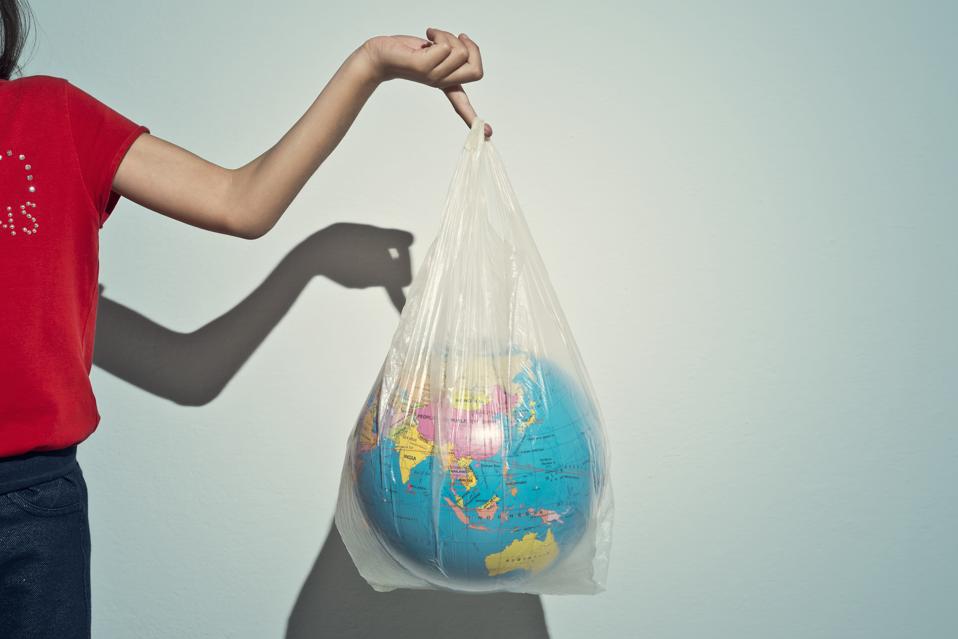
Little girl holding a plastic bag with a globe inside Getty
But will another fear—the fear of contagions—reverse the movement against single-use plastics?
With the impact of coronavirus, there is suddenly a reconsideration of laws prohibiting disposable plastic bans. People are nervous about what they touch and who touched it last. There is fear of anything that might carry viruses on the surface.
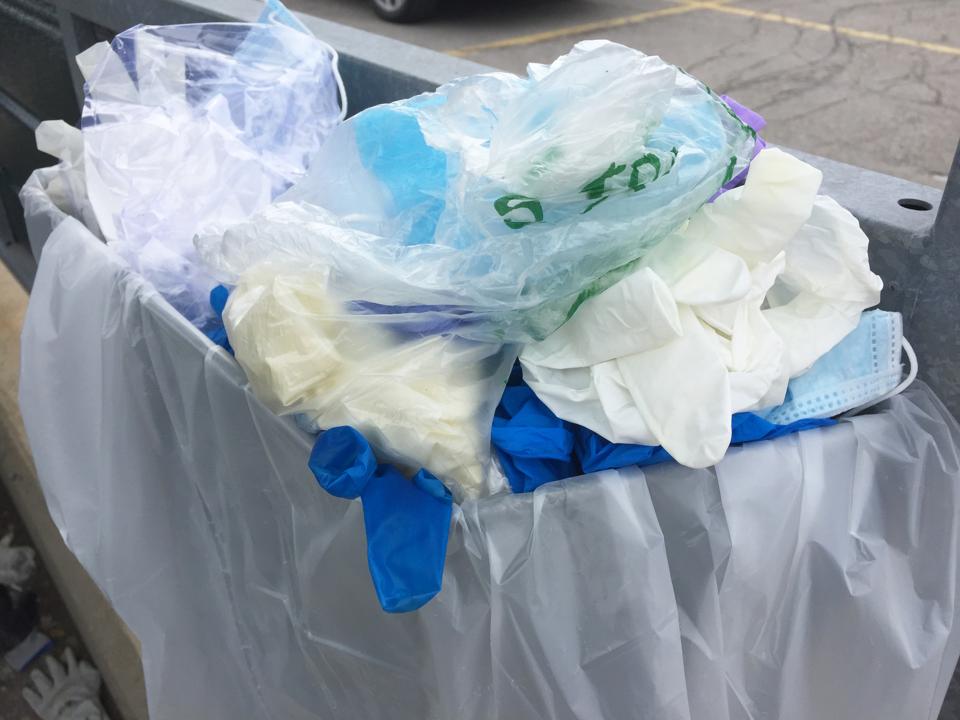
There is also a greater need for disposable plastic in protective gear for medical workers and the plastic gloves we see worn in supermarkets, at gas stations and on neighborhood streets.
Modern plastics were first produced in the mid-nineteenth century, but they were not a regular part of our lives until after World War I. It was not until after World War II that plastics replaced glass, wood and fabric in so many of the uses that we now see it today. Over the last few decades, as the global population became more aware of the devastations caused by pollution, it only made sense for a backlash against single-use plastics.
We have been told that it is better to use a multi-use, refillable water bottle (without BPA, of course, we are told) than a single-use disposable water bottle. This seems to be obviously true for the environment, especially when we think of all of the disposable water bottles littered on the side of the road, in landfills and floating in the ocean. However, now the world is overcome with the fight against coronavirus and a fear of pandemics. If our priority is protecting people (ourselves, our families and our fellow man), are we going to revert to a preference for single-use items that are less likely to carry pathogens?
Plastics are made from petrochemicals. The trend to abandon single-use plastics has been a topic for the last few years among analysts who forecast a decline in oil demand, a theory commonly referred to as “peak demand.” There are no good estimates of what percentage of crude oil goes into single-use plastic manufacturing. However, if the trend against single-use plastic reverses, one argument for peak demand will be negated.
According to the Freedonia Group, the single-use plastic bag market was set to decline through 2023. The retail bag market, however, was forecast to grow. This industry includes reusable bags, many of which are made from plastic, and paper bags. If this trend is reversed as a result of coronavirus and pandemic fears, the plastics industry is positioned to benefit from the low crude oil prices by purchasing the feedstock needed to manufacture these goods at exceptionally low prices.
The role of single-use plastics is a societal discussion that probably can’t be addressed appropriately until the coronavirus outbreak subsides. But two months ago, single-use plastics seemed on their way out. That may not be true anymore.
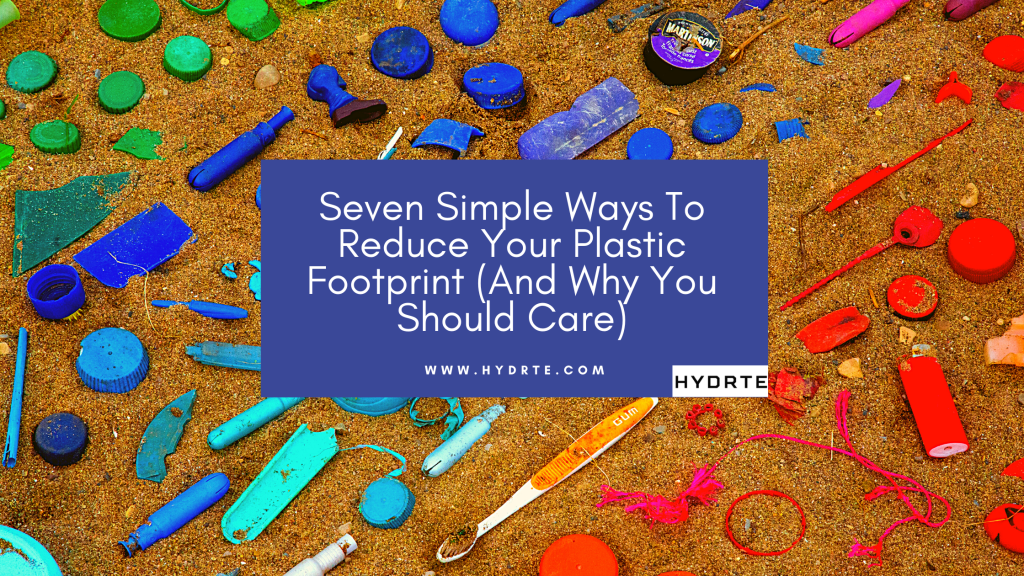
Plastic bottles, carry bags, six-pack rings, plastic straws, disposable cutlery and styrofoam takeout containers—plastic products like these are so ubiquitous that we barely even notice them, let alone think of the damage they are doing to the environment.
Over 300 million tons of plastic is produced every year, 50% of which consists of single-use items like straws, stirrers, coffee cups and shopping bags. Since just around 20% of plastic is actually recycled per year globally, the majority of the plastic waste ends up in landfills. That’s not all. According to the United Nations (UN), a staggering eight million tons of this plastic trash makes its way into our oceans each year—killing approximately one million sea birds and 100,000 marine animals annually as they either become entangled in or ingest the plastic debris.
But plastic pollution is not just a threat to animals, it’s harmful to us humans, too. “Once plastic reaches the environment in the form of macro- or microplastics, it contaminates and accumulates in food chains through agricultural soils, terrestrial and aquatic food chains and the water supply. This environmental plastic can easily leach toxic additives or concentrate toxins already in the environment, making them bioavailable again for direct or indirect human exposure,” notes the Center for International Environmental Law (CIEL).
According to a study published in the journal Environmental Science and Technology, humans may be consuming between 39,000 to 52,000 microplastic particles per year thanks to microplastics found in common foods like fish, chicken, sea salt, honey, even beer. What’s more, “microplastics from beauty products and synthetic clothing fibers also end up in our drinking water,” tells Anita Vandyke, a Sydney-based environmentalist, qualified rocket scientist and author of A Zero Waste Life. Ingestion or inhalation of microplastics can lead to a number of health issues, including inflammation, genotoxicity, oxidative stress and necrosis, states CIEL.
#1 Simply, say no. “This means learning to refuse things that you do not need,” says Zero Waste Home founder, Bea Johnson. Whether it’s a free plastic straw at a café, a pen at a conference, a free toothbrush at the dentist’s or a custom plastic bag at a retail store, freebies are used to attract consumers everywhere. And more often than not, we don’t think twice before grabbing them. But what we don’t realize is that “every time we accept these items, we are creating a demand to make more,” tells Johnson. “So the next time someone offers you a plastic product—whether it’s a bag, a straw or a toy—take a moment to ask yourself, ‘do I really need this?’ You’ll find that 99% of the time, the answer is no,” says the waste-free lifestyle expert.
#2 Shop items that use little or no plastic packaging. Choose products that have minimal or no plastic packaging, suggests Lauren Singer, New York-based environmental activist and founder of Package Free and zero-waste lifestyle blog, Trash is for Tossers. It will not only help reduce the demand for plastic packaging (which is one of the most common single-use plastic items piling on landfills) but it will also help you save money, she tells.
#3 Buy in bulk. Both Johnson and Singer recommend buying groceries and other daily essentials in bulk. If you can’t buy in bulk at your local store, find a supplier, suggests Johnson. “Bring your own jar to the ice cream shop, a pillowcase to the bakery for your bread or take your own bottles to the winery or brewery,” she adds.
#4 Swap disposables with reusables. Another great way to curb plastic waste is to switch to reusables instead of relying on plastic disposable items like carry bags, containers and cutlery. “Reusing not only saves time and money in a household but it also saves all the energy and resources that would have otherwise gone into making more disposables,” Johnson points out. So for starters, “bring your own tote bags and reusable containers to the grocery store,” suggests Singer. “I use old glass jars to buy anything wet like meat, fish, deli and cheese,” tells Johnson. “I also use cloth bags—which I’ve made from old sheets—to buy anything dry like flour, sugar, salt and cereal,” she adds. You can use old glass bottles to buy liquids like oil, sauces, shampoo and liquid soap. Additionally, Singer suggests bringing your own utensils and silverware instead of using disposable plastic utensils when you’re eating out. Here are some other easy ways to cut down your plastic usage:
Trade clingwrap for reusable containers made of glass or stainless steel.
When ordering takeout, request the restaurant to not send any plastic cutlery or straws.
Opt for soap and shampoo bars instead of buying their liquid counterparts that come in plastic bottles.
When buying multiple items online, request the vendor to ship everything together. Or, consider buying from sites that use sustainable packaging material.
#5 Create your own zero-waste kit. “Make yourself a zero-waste kit and carry it with your everywhere,” suggests Vandyke. “Leave it by the front door with your shoes or in your car so you’ll never forget it,” she adds. Vandyke’s zero waste kit includes:
#6 Switch to sustainable fashion. Though fast fashion is trendy and affordable, it comes at an environmental cost. “Fast fashion clothing is predominantly made from synthetic fabrics. It’s a byproduct of the oil and gas industry—which is one of the top three drivers of anthropogenic methane emissions,” tells Singer. Besides, “it uses massive amounts of virgin resources, water and human labor to produce a product that may be worn only once or twice,” says Vandyke. Moreover, “once a piece of fast fashion is manufactured, wearing and washing it also contributes to microplastic pollution,” notes Singer. “The shedding of microfibers from synthetic fabrics usually doesn’t get filtered out by dryers or washing machines. So those fibers end up making their way through our water systems and into the rivers and oceans,” she tells. “The microplastic particles are so small that they often get mistaken for food by marine life. As the organisms in oceans or large waterways start eating these pieces of plastic the toxins inside of them start building up via bioaccumulation,” she explains. And when these smaller creatures are consumed by larger marine animals, the density of toxins starts building up the food chain through a process called biomagnification—ultimately making its way back to us when we consume seafood. “So we are essentially poisoning ourselves by wearing fast fashion clothing,” Singer points out. Both Johnson and Singer recommend buying secondhand clothes as an alternative. It’s a sustainable option since “you’re using something that’s already in the waste stream as opposed to creating demand for a new product,” says Singer. Besides, “secondhand clothing is now more accessible than ever due to platforms like eBay and Poshmark,” she adds. So you can easily make your wardrobe both stylish and diverse without hurting the planet. “You can also swap clothes with your friends and reuse what you already have,” suggests Singer. Also, when shopping for clothes, “choose clothes that are made from natural fibers like cotton, wool and silk instead of synthetic ones,” tells Johnson. They are not only good for the environment but also better for your body as they are more breathable.
#7 Consider recycling as the last resort. Zero-waste lifestyle doesn’t mean recycling more but less by keeping unnecessary items from entering your space in the first place, says Johnson. It’s also important to understand that plastic in recycling units doesn’t actually get ‘recycled’, it gets downcycled. “While other materials such as glass, paper and aluminum can be recycled infinitely without quality degradation of the material, plastic gets downcycled to poorer and poorer forms of plastic until it can’t be downcycled any further and gets thrown in the landfill,” Vandyke explains. Bottom line: “Recycle only what you cannot refuse, reduce or reuse,” Johnson advises.
Lastly, remember that plastic is a non-renewable resource. It’s made with chemicals sourced from fossil fuels—which are a finite resource. “Most people don’t realize this and think we have an endless supply of it,” says Vandyke. This is another compelling reason why we need to curb plastic wastage and use it only for purposes that really need it, she adds.
You keep it in the bottle next to your desk and tote it with you to the gym. It’s cool and refreshing, but common and old-school. You probably don’t think much about water. And although it’s not a flavorful sports drink or a trendy beverage like coconut water, H20 still packs a little punch of magic.
According to a new study of 18,300 American adults published in the Journal of Human Nutrition and Dietetics, researchers linked increased water intake to a slew of dietary benefits. Those who bumped their H20 consumption by one, two or three glasses per day ate fewer calories, as well as less saturated fat, sodium, and sugar.
Deena Adimoolam, MD, an assistant professor of Diabetes, Endocrinology, and Bone Disease at the Icahn School of Medicine at Mount Sinai, says drinking water tricks your stomach into thinking it’s full. “The more full you feel, the less likely you are to eat more food,” she says, noting the effect is especially true of unhealthy food that many tend to eat as extra snacks and desserts.
While creating the illusion of fullness can impact your waistline in a super-positive way, water also does a whole lot more for your body. Here are a few fun-fact vital stats about why water is such an all-star player in your routine.
Water Provides Balance to the Body
The magic of water is in the breakdown. H2O is two hydrogen atoms and one oxygen atom. “All our organs and individual cells are composed of water,” says Adimoolam. “The breakdown products of water, hydrogen and oxygen, are vital for our body’s homeostasis, or state of equilibrium.”
If you don’t get enough water, your organs aren’t going to function properly. Enough blood volume won’t be circulating throughout your body. “This is necessary for providing oxygen and nutrients to all our organs in order to keep them healthy and functioning,” says Adimoolam. “If the kidneys, for instance, aren’t functioning properly, then there will be an issue with clearing out toxins, like urea, from the body.”
If You’re Peeing a Lot, that’s a Good Thing
When you’re dehydrated, your organs and cells aren’t getting enough nutrients. Your skin might lack luster, and you might feel low on energy. “Water is important for all cells of the body, including the skin, which has a very high rate of cell turnover.”
So, tipping back eight glasses of water throughout the day (or more) is a good idea. The body will use what it needs, and any excess water will be urinated out. “Our body is always looking to be in a balanced state,” says Adimoolam. “So it will take the water that it needs for normal cell functioning, and urinate the rest out.” That’s right: it’s okay if you’re taking extra trips to the restroom. That just means you’re definitely hydrated.
Dehydration is a Real Doozy
With summer coming up, it’s important to understand what happens when you don’t drink enough water. “There is a decrease in circulating blood volume, and this leads to a decrease in blood pressure,” says Adimoolam. “You might notice symptoms like lightheadedness or dizziness, especially when changing positions from lying down to standing, which are directly due to a decrease in blood volume.
Now, here’s the thing: Individual cells depend on this circulating blood volume for oxygen and nutrients, too. Without water, these cells can’t function properly—which can impact each and every organ system. “When the kidney isn’t getting enough blood, you develop early kidney failure, which ultimately can cause increased toxins and minerals to build up in the body, like urea and calcium,” Adimoolam says. FYI, a major cause of kidney stones is prolonged dehydration. “Water is also very important for our body’s balance of certain electrolytes like sodium,” says Adimoolam. “Severe dehydration can lead to very low levels of sodium, which can be life-threatening if untreated.”
Of course, these effects arising from a lack of H2O are extreme—but the only way to feel your best, feed your organs, and power your body is to drink enough water. Roughly eight glasses should do the trick—but to be super-specific, tip back between a half-ounce to a full ounce of water for every pound you carry, depending on your level of activity and how much you sweat. (So, if you’re 150 pounds, somewhere between 75 to 150 ounces is perfect.)
In a bid to stop the pollution of the oceans, the European Parliament voted for a complete ban on a range of single-use plastic on Wednesday. The Model European parliament backed the ban on straws, balloon sticks, plastic plates, plastic cutlery, drink stirrers, and cotton buds.
After the European Commission proposed a ban in May, supporters all over Europe came forward to demand approval over the same. The ban is expected to go into effect across the bloc by 2021.
The proposal on the ban of plastics won by a solid 571-53 in the parliament. Frédérique Ries, MEP responsible for the bill, said it is “a victory for our oceans, for the environment and for future generations.”
List of banned items.
The directive has banned some of the most common ocean-polluting plastics.
Items whose alternatives are readily available will be completely banned. For example, paper straws and cardboard containers will be used in place of cotton buds and plastic cutlery. Other items whose alternatives do not exist, will still have to be reduced by 25% by 2025.
150,000 tonnes of plastic are found in European waters every year out of which cigarette filters is the most common litter on beaches. Cigarette companies will have to reduce the plastic by 50% in 2025 and 80% by 2030. The second most common pollutant found are plastic bottles. The bottles along with their lids account for 20% of the sea plastic. The EU is targeting recycling of about 90% of all the plastic bottles collected.
Effects of plastics on marine life
Fish mistake plastic for food and consume them. The plastic makes them feel full and they starve to death thinking they are full of food when in reality all they eat is plastic. Sea turtles confuse plastic bags for jellyfish and consume large amounts of plastic bags. A lot of them get entangled in plastic.
Plastic, unlike other materials, decomposes into smaller pieces and form microplastic which is as harmful as the plastic. Humans are also at a greater risk when they consume fish that have ingested plastic.
Plastic is becoming an increasing problem and it is time other nations follow suit. Ban plastic for good!
Our Mission –
Hydrte was launched in 2019 with one main goal in mind, to produce a water bottle that helped significantly reduce single-use plastic consumption, whilst being stylish & convenient.
60% of these bottles end up in landfill or even our rivers and oceans.
The Hydrte bottle was designed in London, inspired by the busy lifestyle of the city itself. The shape of the Hydrte bottle is unique, practical and convenient.
Its flat slim shape was designed to offer a high-quality feel, whilst maintaining a sleek look. It comfortably fits into handbags, laptop bags, backpacks and just about anywhere else!
For the recommended daily amount of hydration, use tap water and this reusable bottle instead of buying bottled drinks, you could save an average of around £800/$1,000+ per year.
Plastic has gone from the greatest invention of the modern era to one of the most challenging materials to manage. Each year, up to 13 million metric tons of plastic enter the ocean, the equivalent of one garbage truck of waste every minute. The world has responded with countless intiatives, campaigns and agreements to ban plastic straws and bags; 127 countries have introduced legislation to regulate plastic bags.
But here’s the thing: Plastic bags and straws aren’t the ocean’s only pollution problem.
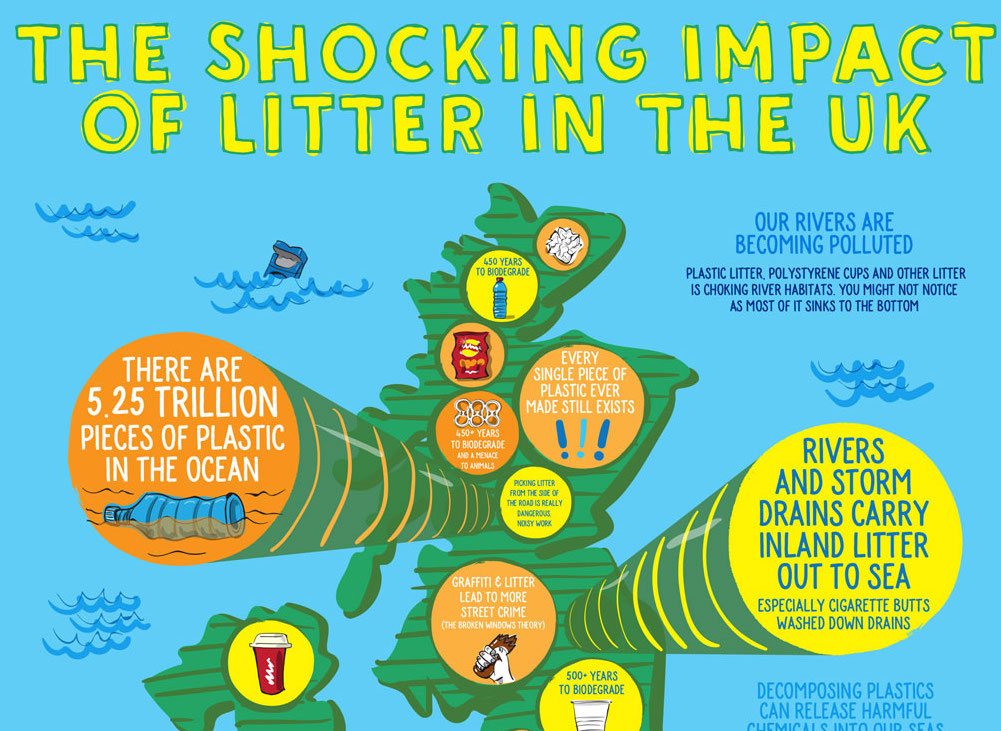
Visible plastic waste near the surface of the ocean — the kind that makes up the Great Pacific Garbage Patch, and garners the most attention — makes up just 3% of total plastic in the ocean. Plastic also sinks to the ocean floor, stays suspended in the water column, or gets deposited out of the ocean in remote places, making clean-up difficult. The UN Environment Programme estimated the global damage to marine environments from plastic pollution to be a minimum of $13 billion per year. And there are a whole host of non-plastic pollutants such as nutrients like nitrogen and phosphorous that fuel harmful algal blooms, antibiotics, heavy metals, pesticides, oil and gas, and other debris. These pollutants enter the ocean directly, through rivers, stormwater or the wind. These substances have been damaging the environment, human health and the economy long before plastics became so prevalent.
Protecting human and marine health and harnessing the full benefits of a sustainable ocean economy will require not only reducing plastic waste, but all ocean pollutants.
Seven Interventions Solutions to Tackle Reduce Plastic and All Ocean Pollution
The sundry pollutants making their way into the ocean often share common pathways and root causes, such as a lack of access to sanitation and wastewater processing or inefficient use of natural resources. Tackling these root causes can have a compounding effect.
For example, improving wastewater management at scale in a city or region can reduce plastic entering the ocean while also reducing nutrient pollution, which in turn improves the health of fisheries and coral reefs. This means that there is an opportunity to capitalize on the attention being paid to plastic pollution in order to tackle multiple ocean pollutants at once.
A new Blue Paper commissioned by the High-Level Panel for a Sustainable Ocean Economy highlights seven solutions that can reduce plastic pollution while also curbing other types of ocean pollution:
Improve wastewater management by developing and building sustainable wastewater infrastructure for the 3 billion people who lack access to controlled waste disposal facilities. Untreated wastewater contains a number of pollutants like pathogens, plastics and chemicals. It can pose a severe risk to human and environmental health through toxic exposure, vector-borne diseases and eutrophication.
Improve stormwater management by implementing stormwater and storm drain filtration and river mouth trash collection. This can prevent wastes such as macroplastics (littered items), microplastics (tire dust), and chemicals on roadways from flowing into rivers, and eventually, the ocean. Regulating the use of nutrients and pesticides and shifting behaviors — for example, the cultural norm around having a manicured lawn, which can increase the use of pesticides, herbicides and fertilizers — can also ensure that these pollutants do not enter the ocean through stormwater. For example, a toxic algal bloom caused by nutrient pollution in the western Lake Erie basin in 2011 disrupted water supplies for 400,000 people.
Adopt green chemistry practices and new materials. This includes banning hard-to-manage substances like expanded polystyrene (commonly packaging material), limiting the use of chemicals of concern like phthalates, and supporting materials research. Developing new materials that maintain the desirable performance characteristics of plastics but not the problematic ones, such as true biodegradables, could prevent plastics from causing as much harm if they do enter the ocean.
Practice radical resource efficiency through plastic-use reduction. This includes imposing fees on single-use plastics, encouraging voluntary industry standards to reduce fossil-fuel-based plastics ,and shifting cultural norms around waste generation, consumption and reuse. For example, introducing carrier bag charges in the UK reduced the number of plastic bags used there by 80%, with 9 billion fewer plastic bags used since the legislation was introduced in 2015.
Recover and recycle the materials we use in both formal and informal sectors by implementing extended producer responsibility laws, providing incentives for waste segregation and recycling, strengthening markets for recycled plastics and implementing “Fishing for Litter” programs. Only 9% of all plastic ever discarded since 1950 has been recycled, while another 12% has been incinerated and the remaining 79% accumulated in landfills or the natural environment.
Implement coastal zone improvements by, for example, restricting open ocean aquaculture. Shifting to sustainable land-based aquaculture systems could reduce a number of pollutants associated with coastal aquaculture, such as plastic pollution from lost or discarded gear and untreated waste with high levels of nitrogen and phosphorous. Encouraging participation in Adopt-a-Beach programs and clean beach certifications such as Blue Flag and Project Aware can reduce litter on beaches and make people more aware of pollution.
Build local systems for safe food and water by establishing drinking water treatment systems where needed, and ensuring adequate drinking water standards. This solution can not only reduce pollutants entering the ocean from the reduction in single-use plastic bottles, but also help the 1 in 3 people worldwide who lack access to clean drinking water.
Reducing Pollution for a Better Ocean Economy
These tactics can’t be done on a small scale or by a single entity. In order to be successful, it is essential that solutions include cross-sectoral public-private partnerships, innovative financing arrangements and capital from a range of sources.
For example, in Muncar, a small village in East Java, Indonesia, public private partnership organizers built a waste management system and strategy to optimize waste collection and processing for both inorganic and organic wastes, change behaviors, set regulations, and build institutional capacity. In December 2019, 47,500 people received waste collection services, mostly for the first time, from two facilities established by the project. These facilities employ 80 local people and have collected 3,000 tons of waste that would have otherwise potentially ended up in the ocean.
By taking bold, integrated actions that address pollution across sectors, we can help build a sustainable ocean economy that can expand economic opportunities and improve the health and prosperity of millions of people. But our road to recovery must include the development of a circular economy. The notion that things can be thrown away is a myth. Plastic and other pollutants continue to pollute long after their shelf life is over. We need to ”turn off the tap” and prevent pollution before it happens in the first place.
Hydrte was launched in 2019 with one main goal in mind, to produce a water bottle that helped significantly reduce single-use plastic consumption, whilst being stylish & convenient.
60% of these bottles end up in landfill or even our rivers and oceans.
The Hydrte bottle was designed in London, inspired by the busy lifestyle of the city itself. The shape of the Hydrte bottle is unique, practical and convenient.
Its flat slim shape was designed to offer a high-quality feel, whilst maintaining a sleek look. It comfortably fits into handbags, laptop bags, backpacks and just about anywhere else!
You really can stay hydrated whenever, wherever!
For the recommended daily amount of hydration, use tap water and this reusable bottle instead of buying bottled drinks, you could save an average of around £800/$1,000+ per year.



 Hydrte Water Bottles